
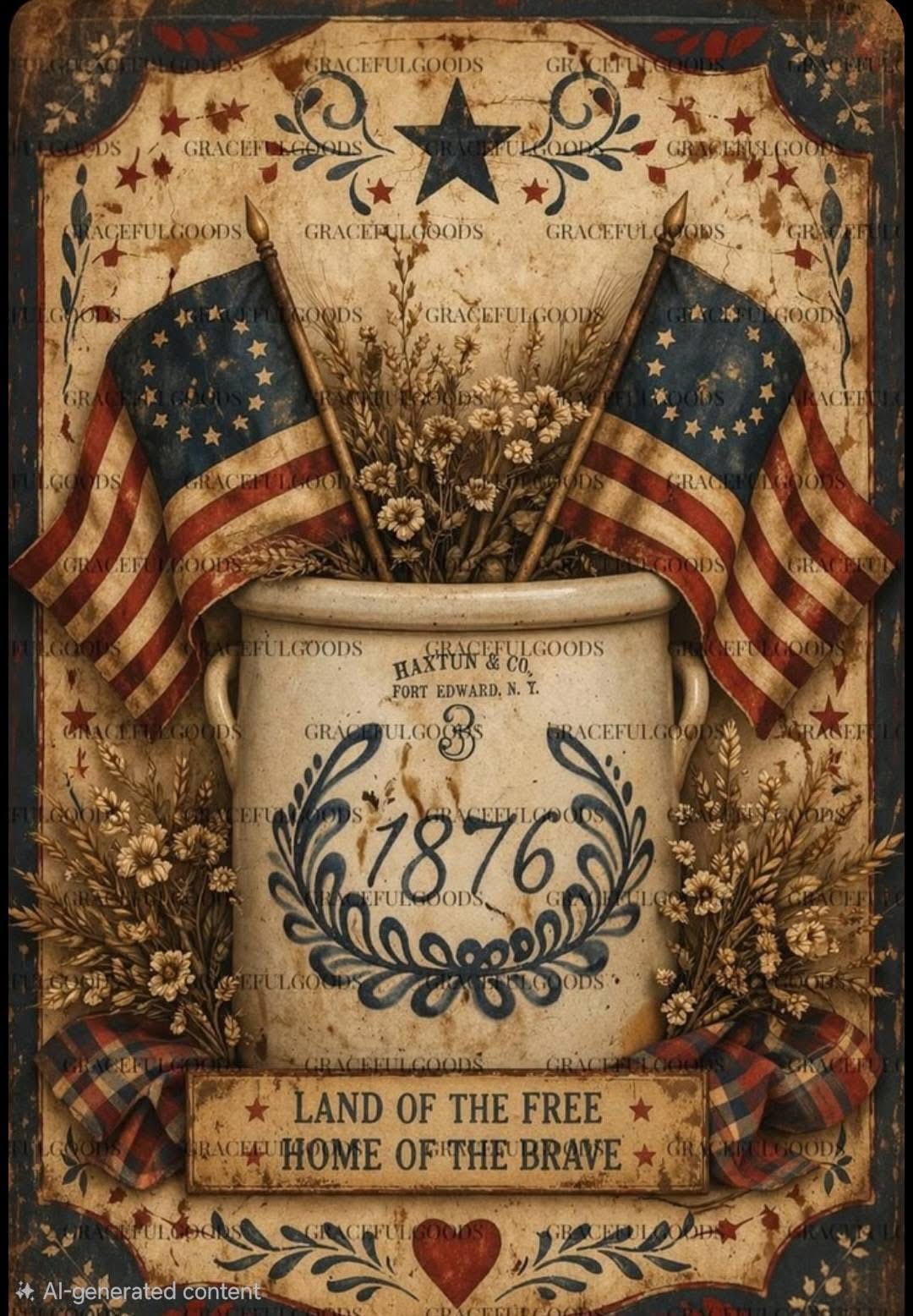
Memorial Day is quieter now.
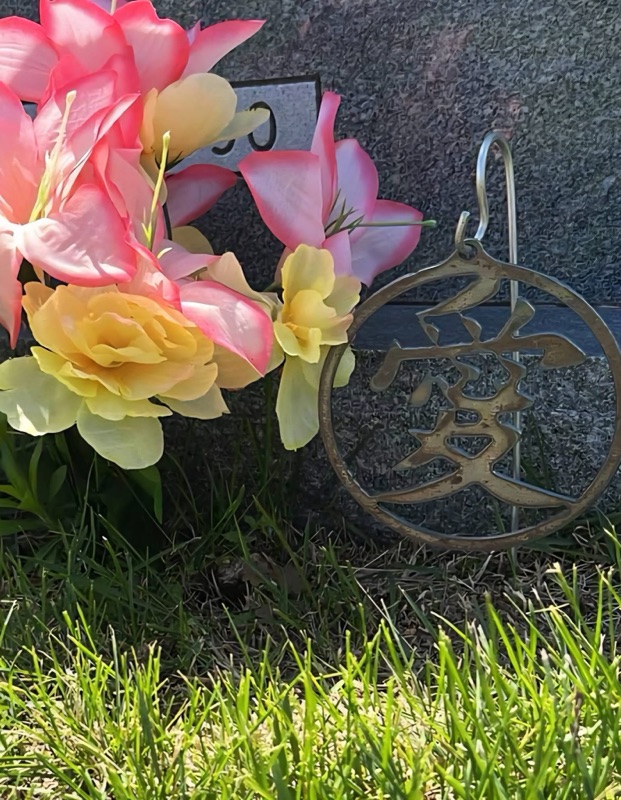
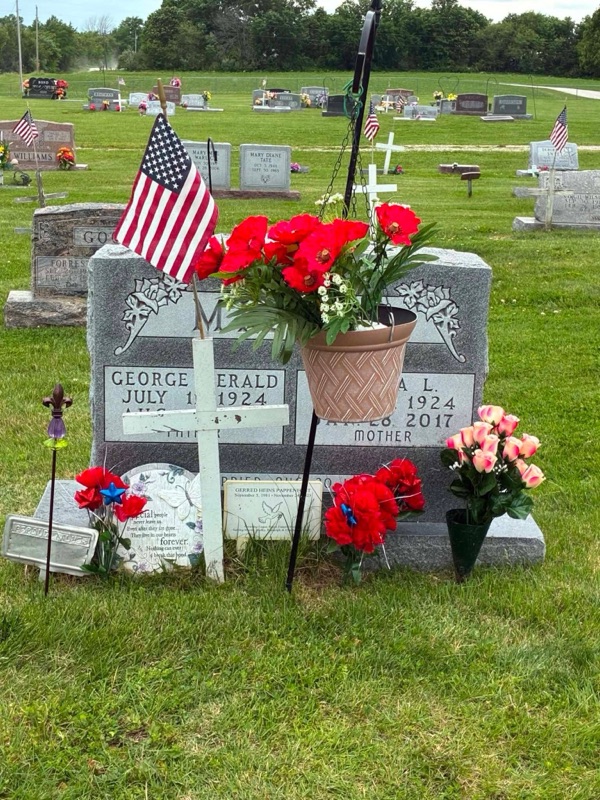
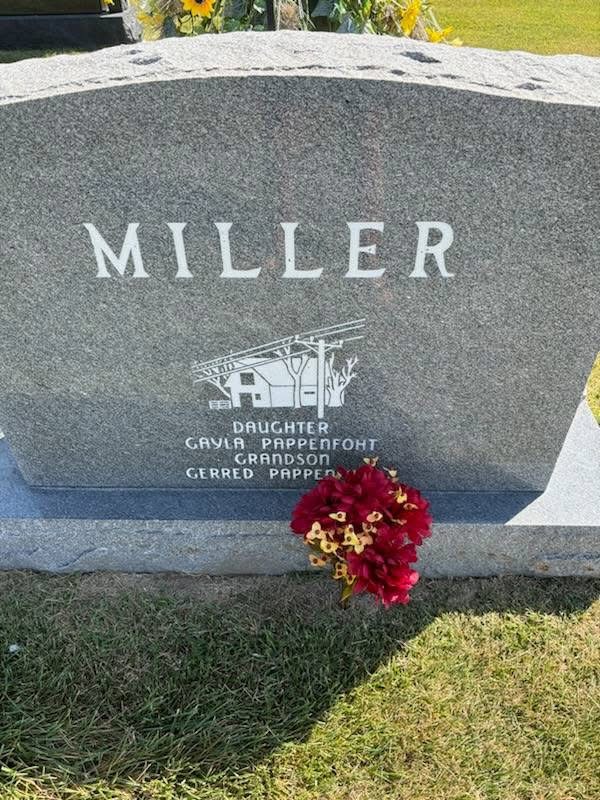
This year Memorial Day brought many gifts. My cousin carried the tradition of placing flowers on our ancestors’ graves. This year she and a dear friend also carried a tribute to my son‘s grave. Since I have never been there, I deeply appreciate those who tended in my place.
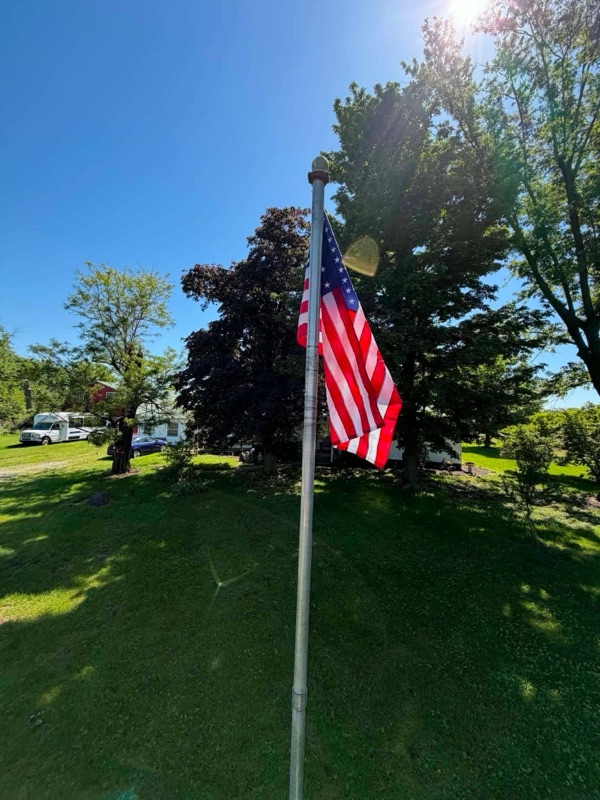
Sweet phone calls marked a holiday when people know my day may be quieter than it used to be. My young neighbors who bought my farm brought me a Memorial Day flag, hung it up for me, and took a picture. They’ve been so good to me, and that flag felt more than decoration. It felt like someone helping me keep the spirit alive.
When I was growing up, Memorial Day had a routine. It had a purpose. It had flowers in the trunk and food waiting at the end of it. It was not just a long weekend. It was a family rite. We kept it the way people keep things when they have been taught without many words that remembering is part of being.
One part of Memorial Day celebration began a few days before the holiday. My grandmother got attached to the idea of purchasing American Legion tissue paper poppies. Through the years, the flowers got a little smaller and a little more papery, as things do. But the ones grandma saved in the top drawer of her dresser were just beautiful. Grandma had a good many of these little flowers, and sometimes she put them in a little juice cup. Now our juice cups were jelly jars shaped so nicely that they became glasses after the jelly was gone. Some even had designs printed on the side as if they knew all along that they were designed for orange juice and poppies.
One year I had what I considered a brilliant idea. Grandma had a hat pin holder, one of those beautiful things with holes in it, and I begged her to let me take the hat pins out and put the poppies in it. I do not remember what we did with all the hat pins that year, but I do remember one beautiful one. It was black and round, almost like a blackberry made of china or something like it. We left that one in the middle, and I arranged the poppies all around it. To me, it looked like a poppy made out of poppy.
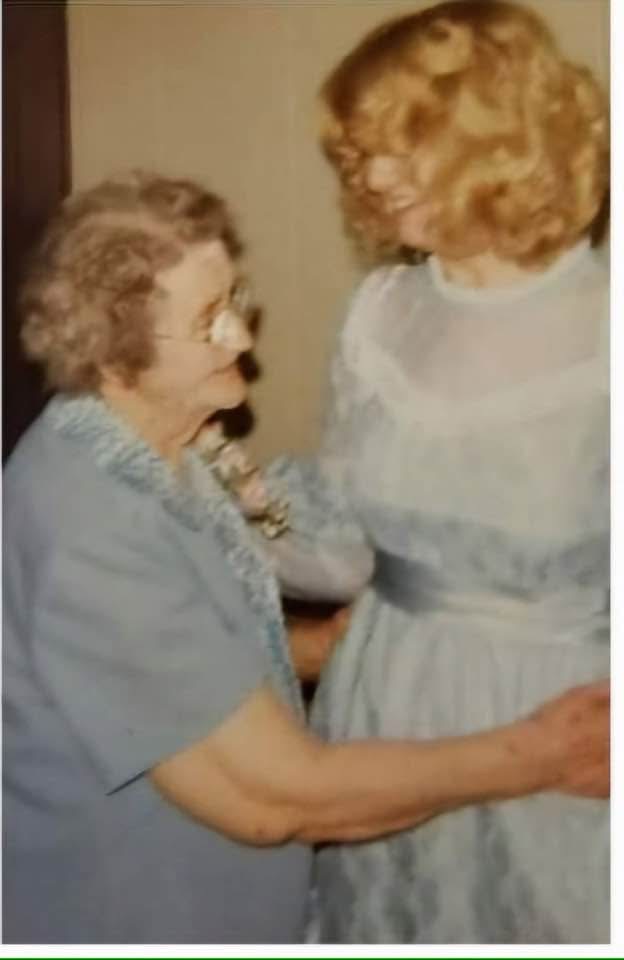
I was so tickled with myself I might as well have been to the moon. Gramma, being Gramma, said it was pretty—-one time. Now I wanted to hear it 57 times, but I got once, and that was supposed to be good enough to last. Like most kids my age I was not smothered with phrase as a child. I was smothered with love and food, worry and care, responsibility and expectations of good. Those are not small things. However, praise was not flung around like confetti. If someone said something was pretty, you had reason to remember it.


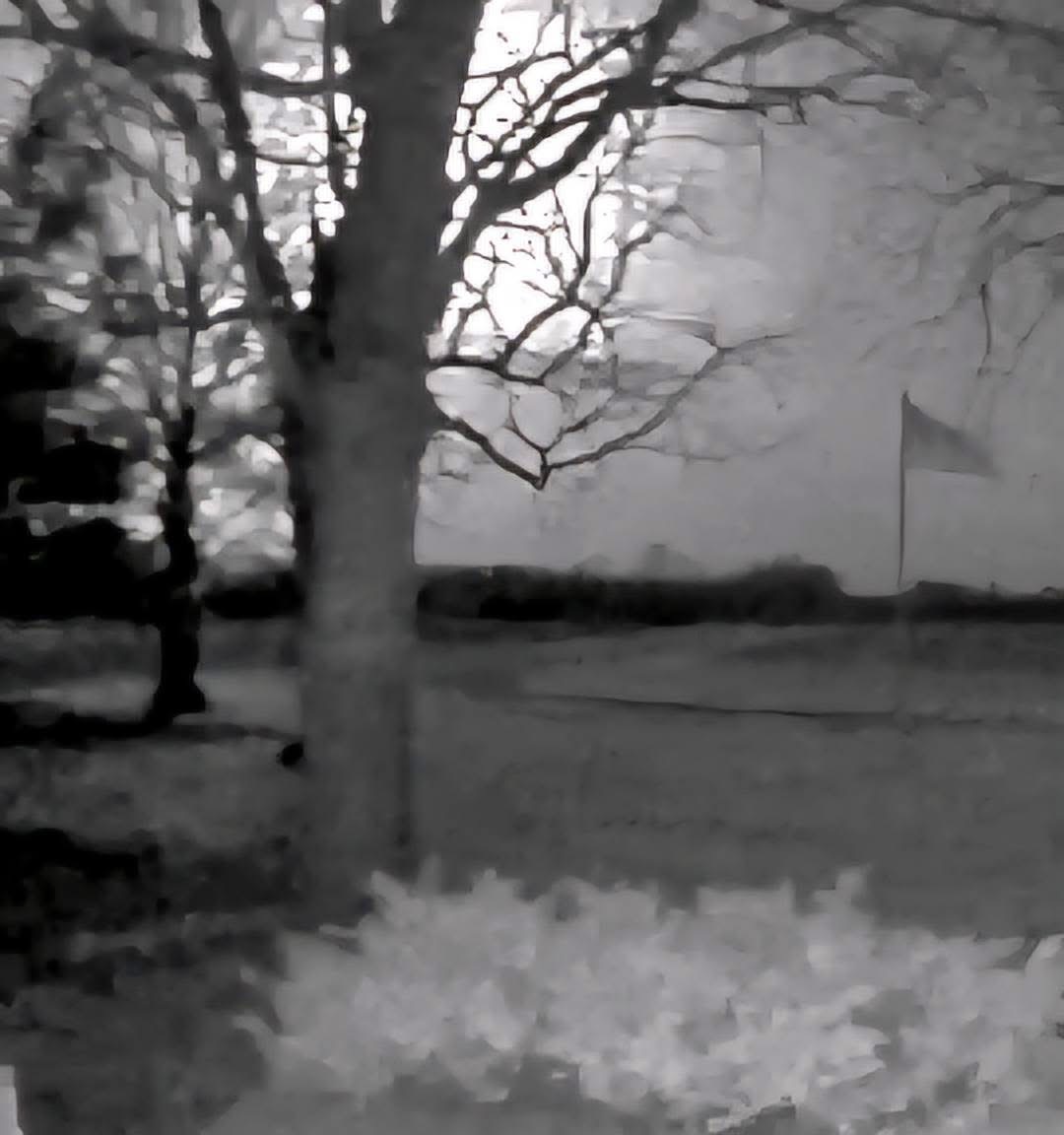
The other flowers of Memorial Day were not paper. They were real peonies. We took these flowers to the cemetery, and we did not just toss them in the car and hope for the best. We soaked them well, then wrapped the stems in wet paper towels, and tucked them into tinfoil so they might stay pretty just a little bit longer. Then we put them in a great big aluminum dish pan and carried them in the trunk carefully to the cemeteries. The main cemetery we visited was Mount Salem Baptist Cemetery, right across the meadow from where I live now.
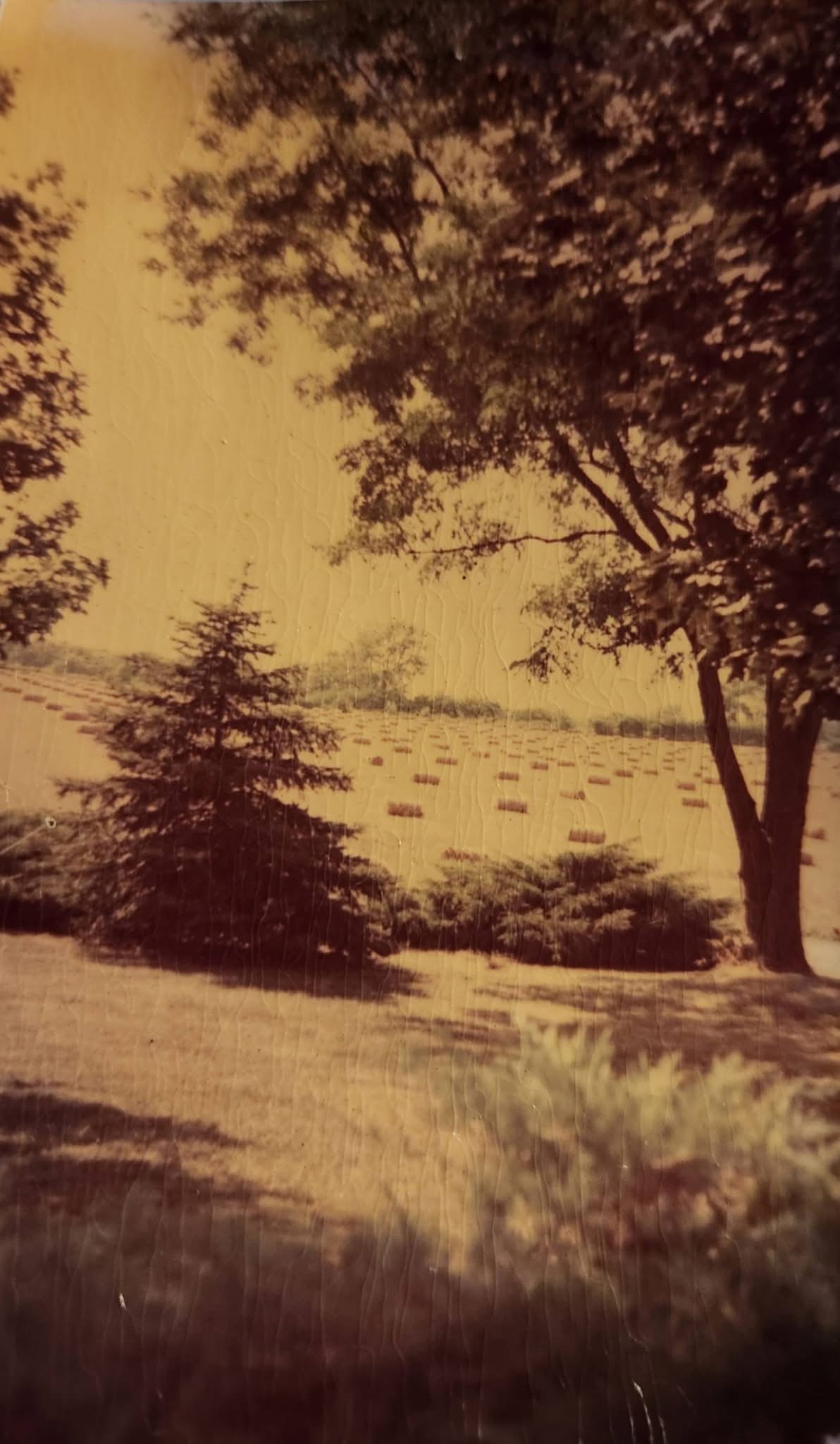
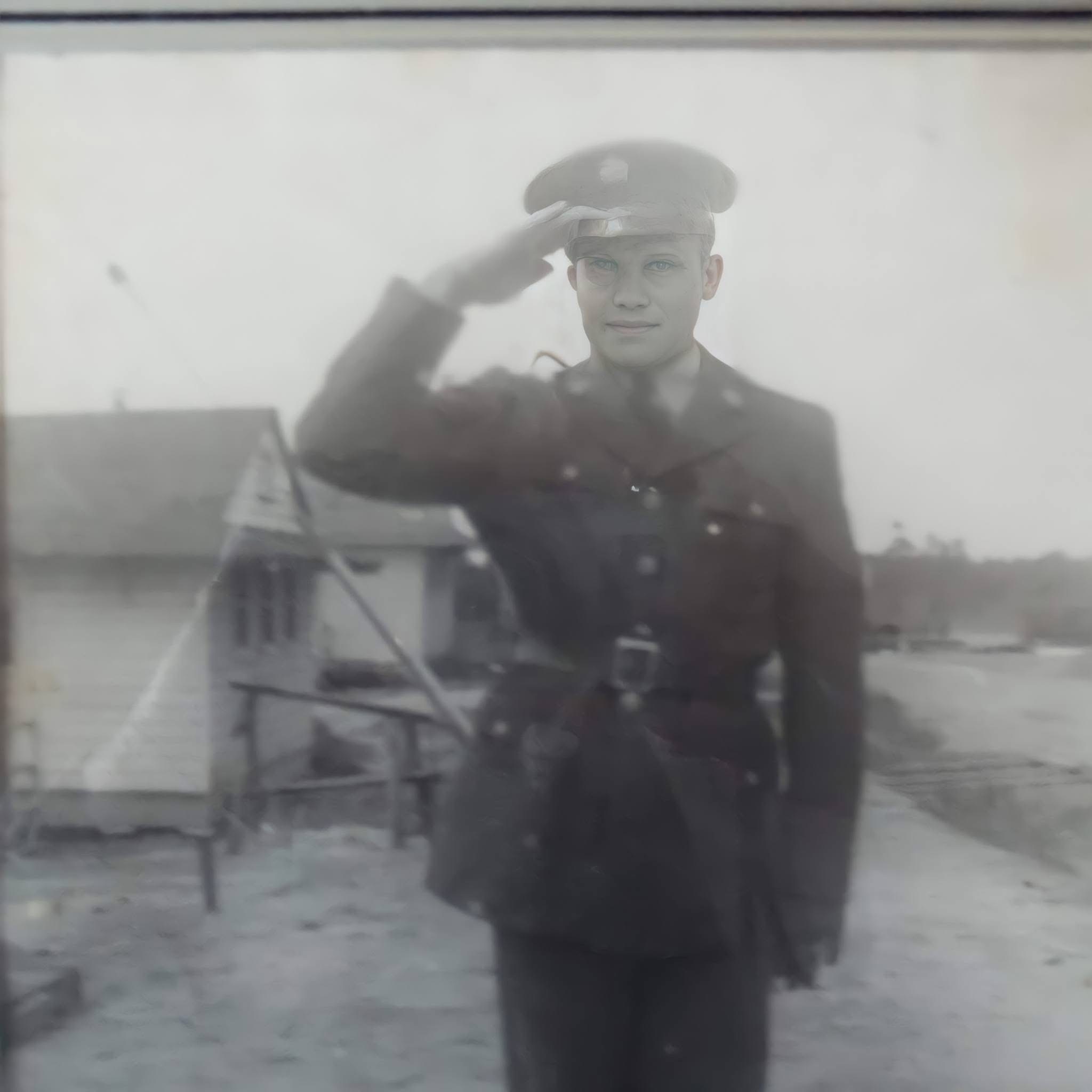
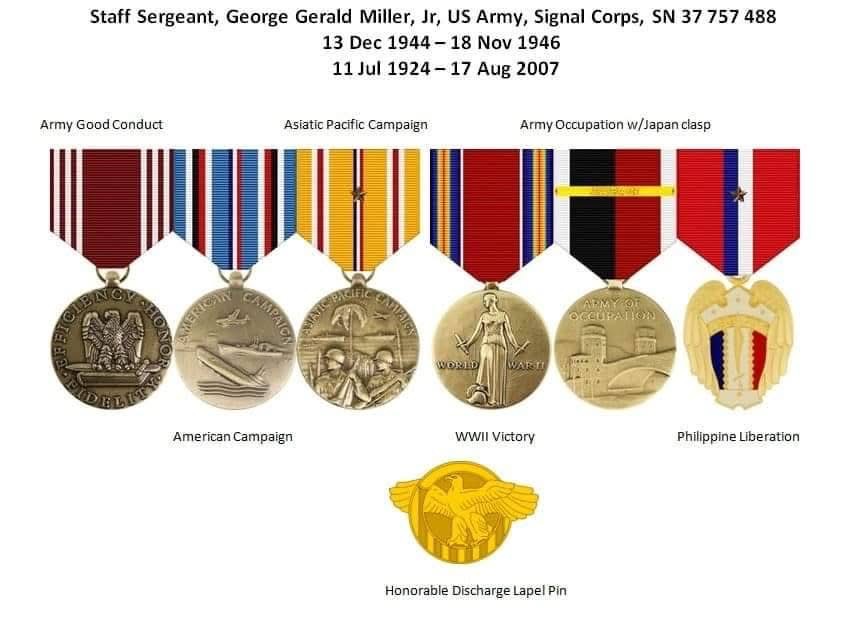
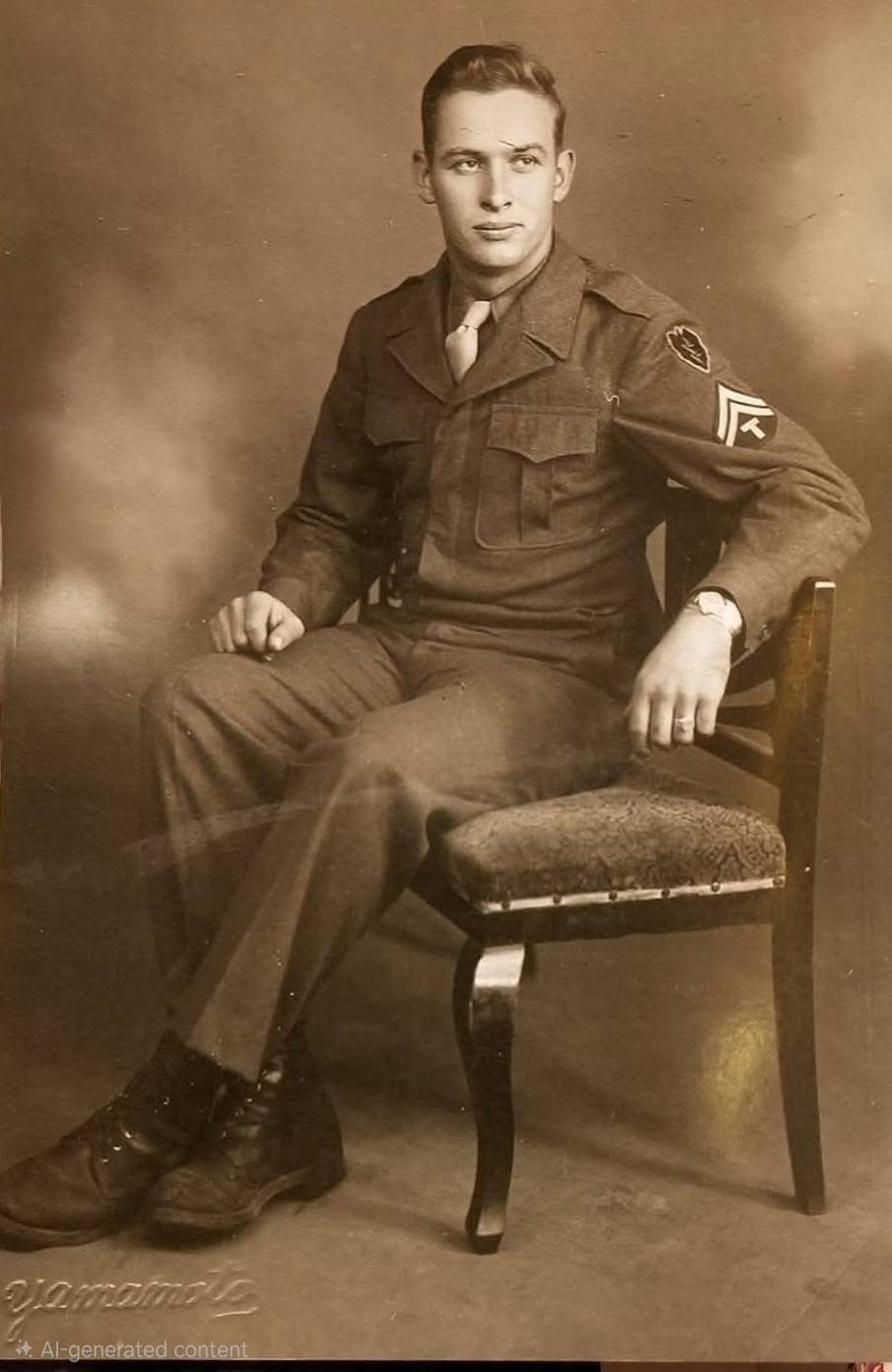
At Memorial Day that cemetery was beautiful. It had white crosses at the veterans' graves, and flags were flying proudly. My uncle, Paula‘s daddy, used to paint those crosses every year, and they looked proud. He was a veteran himself, a hard worker, and a great, great person. I loved him dearly. I know his wife helped him, and probably Paula did, too. In my mind he was always there with those crosses and flags, doing that work because someone ought to do it, and he was somebody who would.
One sentinel of that cemetery was a hard-working woman named Martha Helen.She mowed that cemetery for what seemed like 100 years. She was around my mother’s age, and at my mother‘s funeral (my mother passed away at 94) Martha Helen stood there in her work clothes because she had helped with the hand-digging part of that grave. She was a school teacher, and everybody said she was pretty strict. I worked with her as a teacher, and when she retired, I helped plan her retirement. She was a force, and thank goodness for forces like that.
When I was little, I helped my grandparents and my mom put flowers on graves of family, friends, and good old people who had no one to help do this honor. But… I also had graves I simply loved, and I always took at least one bouquet apart and put individual flowers on tombstones that caught my eye or touched my heart. There was one headstone that looked like a tree carved out of stone, and I thought it was beautiful, so I just put a flower there. Then there was an enormous gray, granite stone with the last name Stokes, and either on the stone or near it was a marker for a boy who had died in a coal mining explosion. I believe my grandfather‘s grandfather, William Riley Brown, died in that same explosion. His own stone was modest compared with this grand one. That big granite stone’s inscription got me every time. It told how many had been killed and what had happened in the explosion, but the last line was the one I carried away with me: “Many hopes and dreams lie buried here.” I understand that line better now than I did then. Maybe I understood it even as a child. Kids understand more than we think. They might not have the vocabulary for sorrow, but they know when something is too big to step over.
There was one grave I put flowers on because my grandfather asked me to. He took me to a little diamond-shaped stone when I was very small, back when he could still walk to the cemetery with his arthritis. He knelt down by the grave, and then he said, “I want you to always put flowers on this grave because I killed this man.” That sentence would stop any child cold.
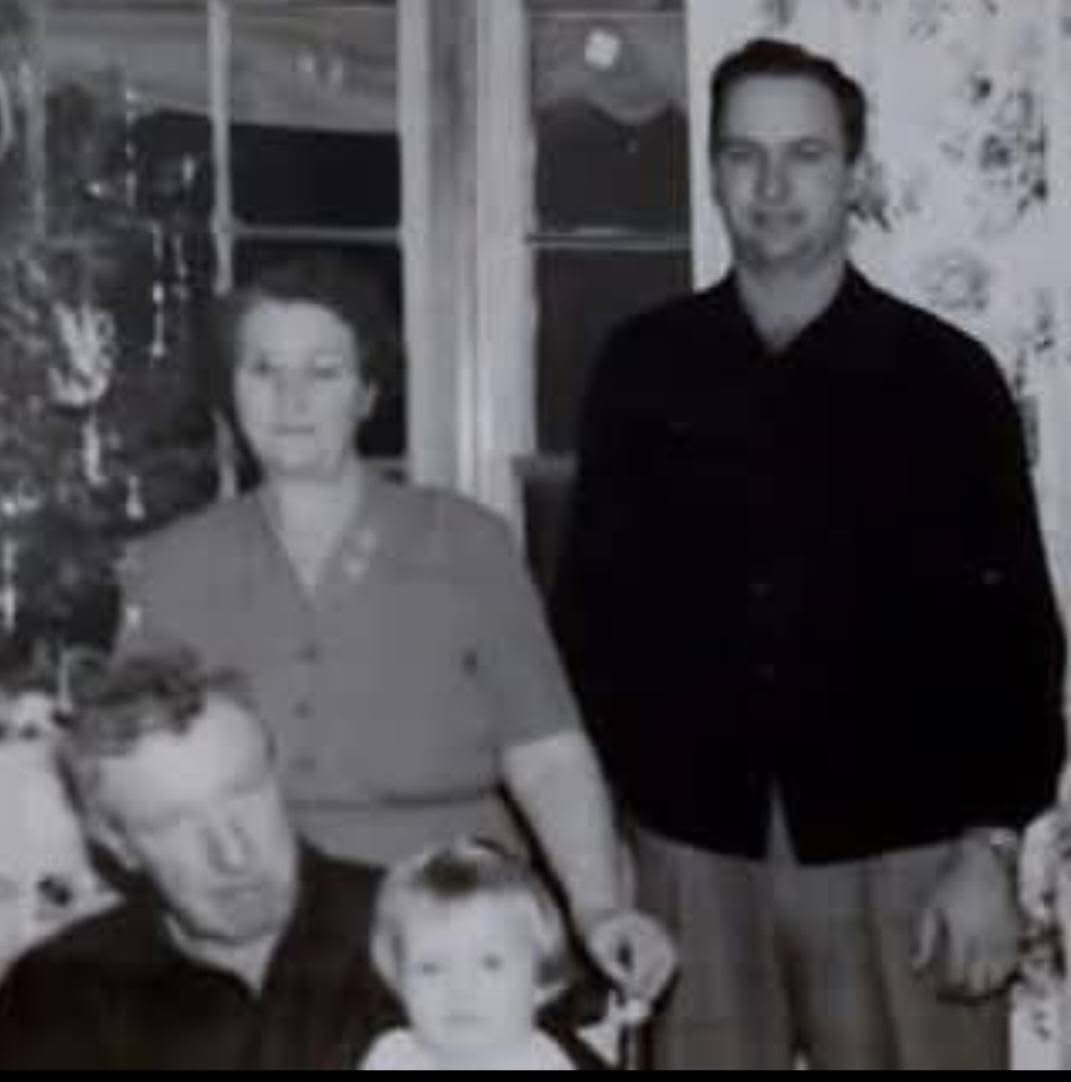
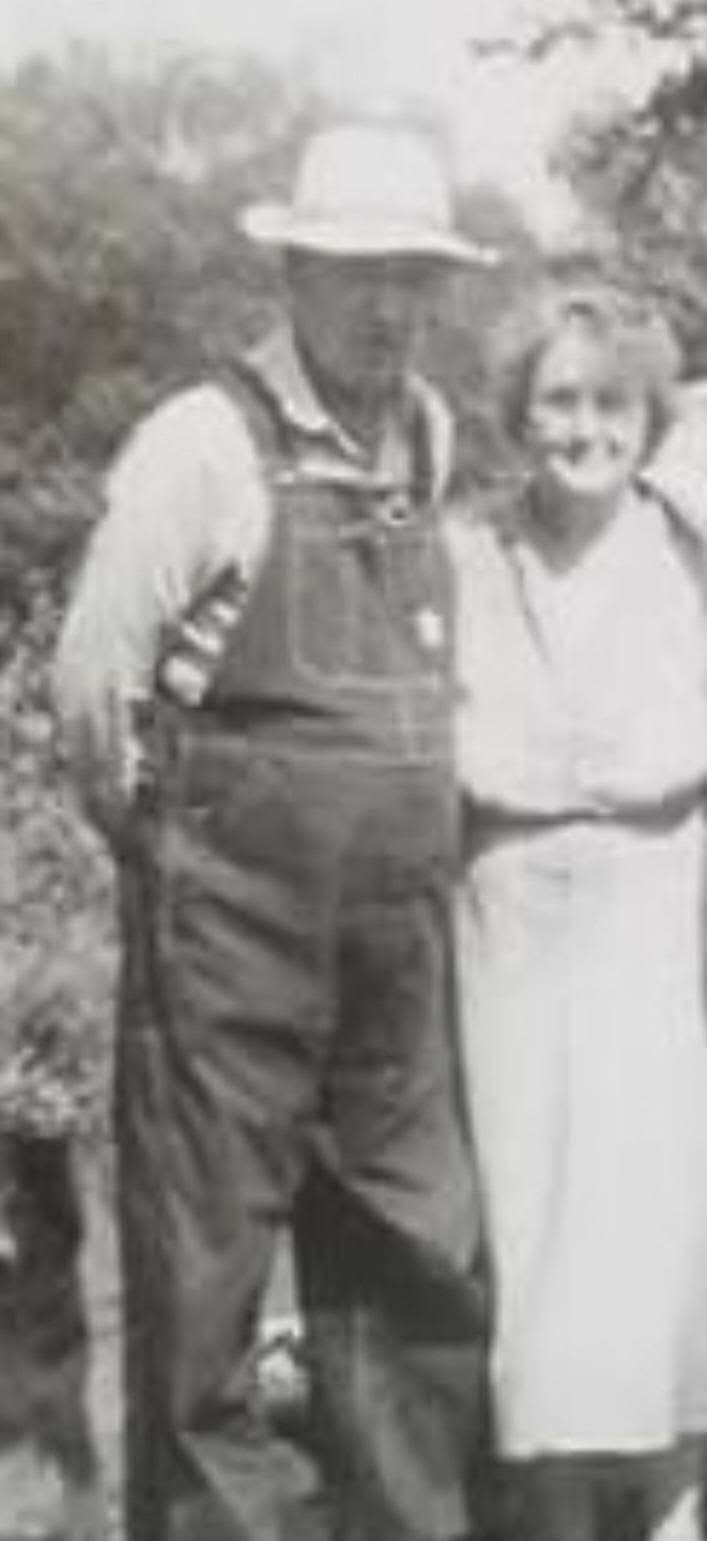
My grandfather was the epitome of a gentleman to me. He was a little, old farmer in faded overalls and long-sleeved, chambray shirts. He had a good watch and an everyday watch, both the kind that should be on chains. One of them was attached to a pretty silver chain, but one was attached with a brown shoelace. I thought those watches were heavenly. I sometimes pretended that I was taking my watch out of my pocket, but I really didn’t have anything there. Paw-paw taught me to spit, although I did not get any tobacco like he did. After he got older and sick, Gramma would not let him chew anymore Beechnut tobacco. Paw-paw, however, got the better hand because he hid that tobacco from her in his planter box in the barn. He told me solemnly not to tell, so I did not. Grandma did not ask, so that worked out well.
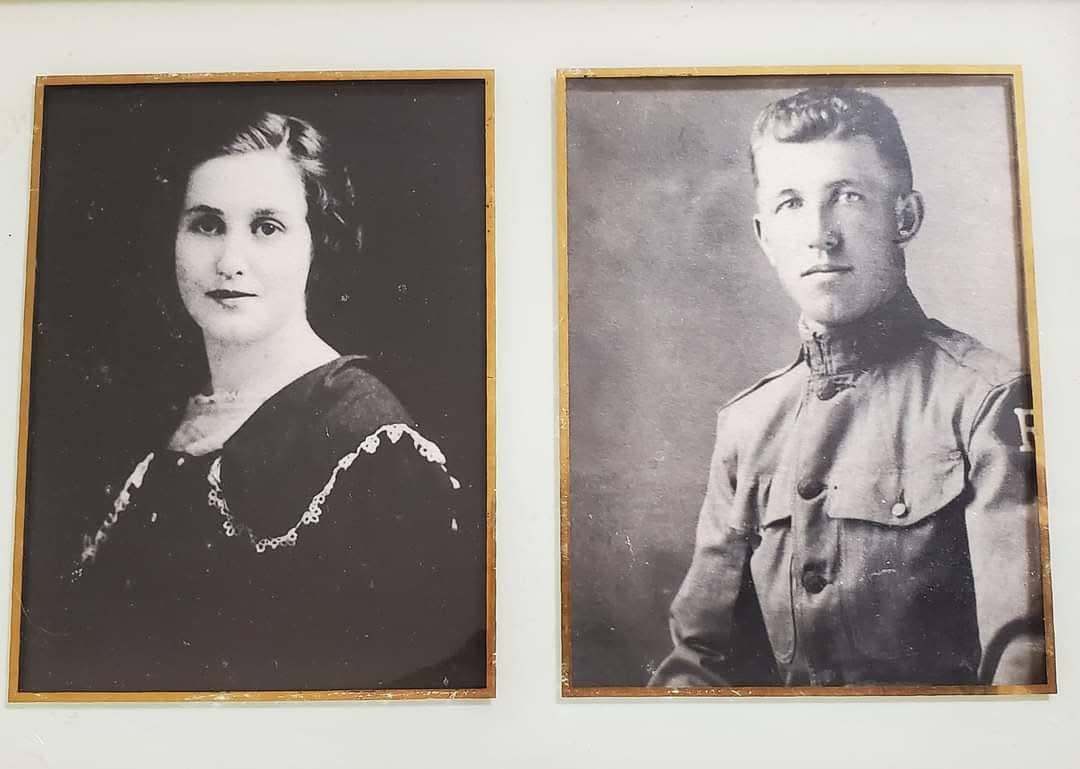
After my grandfather passed away, my dad decided to sell that planter. When the tobacco was found, Gramma burst into tears and said, “Oh, Manuel.” His name was Emanuel, but she always called him Manuel. That hidden tobacco was such a small thing but still a big thing at the same time– – one forbidden comfort, tucked away by a man who wanted something that still felt like his.
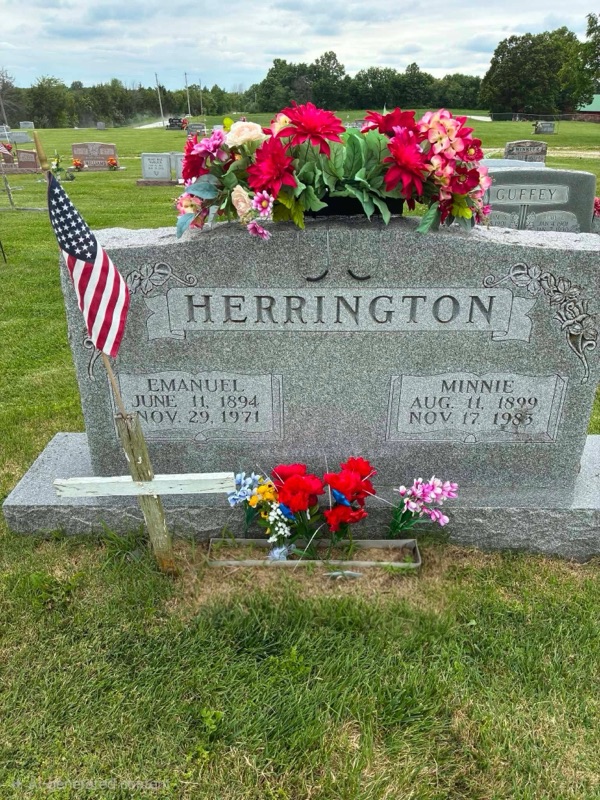
The man my grandfather said that he killed was named Frank Leslie. My grandfather had not murdered him, not in the way we usually use that word. However, when my grandpa was a little boy, he and some other boys had the measles. Frank Leslie was an old, old man, and he had never had the measles. Paw-paw said that Frank cried and begged, and those little boys being cruel in the careless way children can be cruel when they do not yet understand consequences, crawled all over him and thought it was funny. Then the old man got the measles, and he died. Isn’t that terrible? My grandfather carried that all his life. So, I put flowers on Frank Leslie‘s grave until I could not walk anymore. Although it was not my guilt, it had been handed to me as a remembrance. I did not mind carrying that for my grandpa.
There is another story in that cemetery, one connected to one of the darkest books and movies people talk about. I will not make too much of that here, but I will say that as long as I could do so, I put flowers on a sister‘s grave. The man was later executed, and his grandmother was a friend of my grandma’s. She asked me to always keep flowers on her granddaughter‘s grave. So I was not thinking about notoriety. I was thinking about a girl, a grave, and that flower in my hand. That is how children think in cemeteries. Or maybe it is how I was only. I read cemeteries like books. I loved to look at tombstones and imagine the stories behind them. I also noticed who was beside whom, and who seemed alone.
My great-grandmother Savannah was buried by herself right next to my great-grandfather Herrington, who had remarried and was buried with his second wife under a fancier stone. Now that second wife did live the longest of all, so my mom always said it was her decision. I always thought that was pitiful. Poor Savannah. She was a mother of his children, and yet there she was–close but not quite included.
On my dad‘s side, there was another two-grave kind of story. We usually went to another cemetery, Friendship Baptist Church, and there we tended to graves of his grandmother and grandfather, and older family, including my great-great-grandmother Amytis Ann Tedford. I always loved her name. Years later, toward the end of my dad‘s life, we organized a reunion, and there I met Ellen. She was a cousin connected through that family. We met initially in the cemetery. Later we had supper together, and one Autumn she drove up from Kansas City, where she was staying on a visit from Washington state, her home. She came to see my mom and me. Ellen and I have kept in contact all these years although I do not write or call as faithfully as I should. She is a joy, and I treasure that I got to know her.
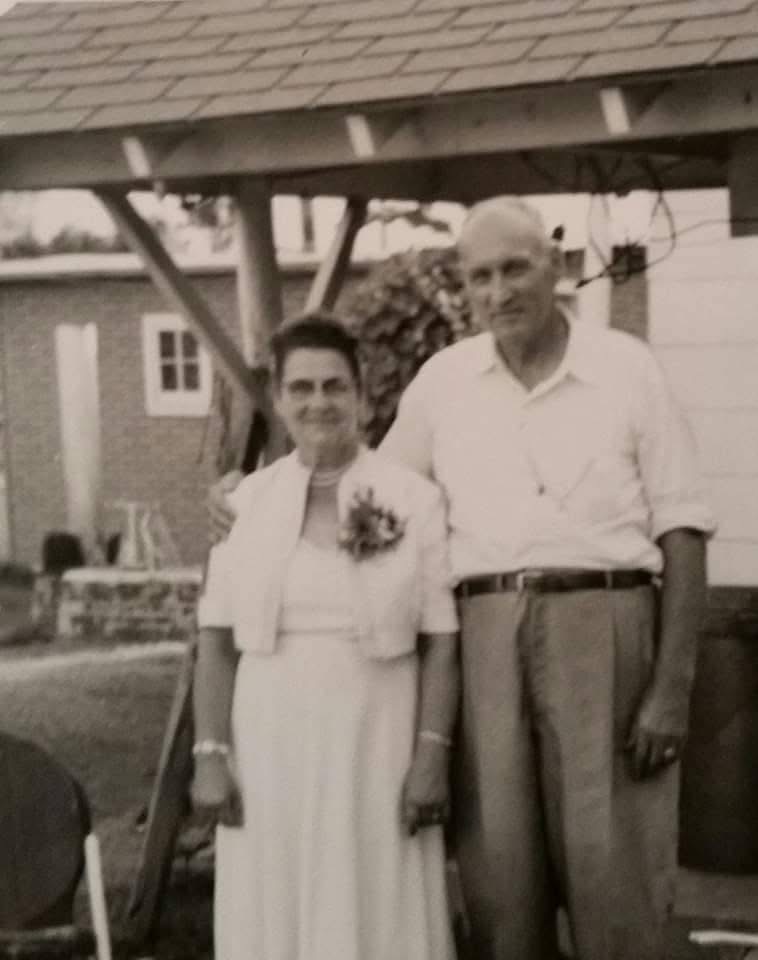
I wanted to ask her a question I almost did not want to ask. Amytis Ann had married a man who already had children from his first wife, and then she had children of her own. Ellen is related through those first children. I thought I wanted to know whether Amytis had been good to them. I wanted the answer, but only if it was good news. Now that is a dangerous kind of wanting. I asked her if she had any idea whether our grandmother – ancestor had been a good stepmother. Ellen smiled and said she had always heard good things, that Amytis Ann loved those children, loved them like they were hers. I cannot explain how glad that made me. I later told my cousin Sherry about this conversation, and she smiled. I’m pretty sure she trusted any relative of our grandmother’s without asking such a silly question.
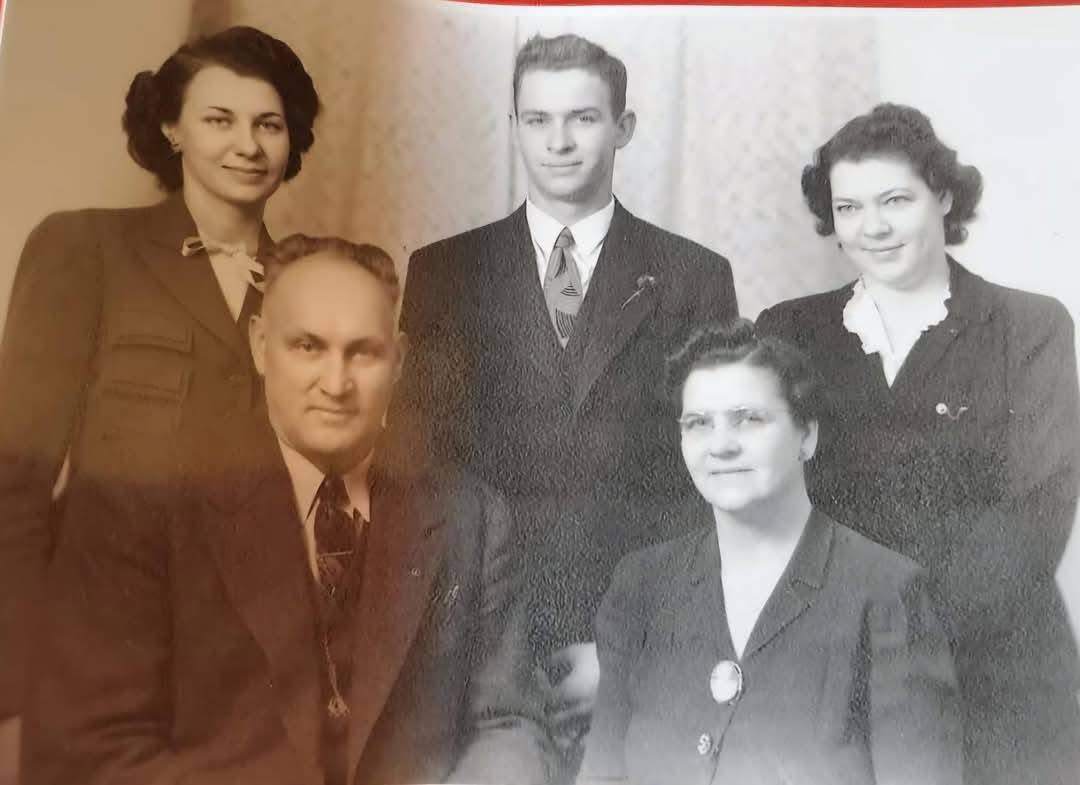
After the cemetery visits, there was food. Sometimes Gramma, Mom, and I, and later my son had a car-picnic packed by my mom and grandma and eaten on the road between one cemetery and another. I sometimes saw families who spread big baskets of food out in the cemetery yard on quilts. That looked pretty, but we did not do that. Our picnic came later. When we got home, Memorial day turned into something my mother called Nancy’s picnic.
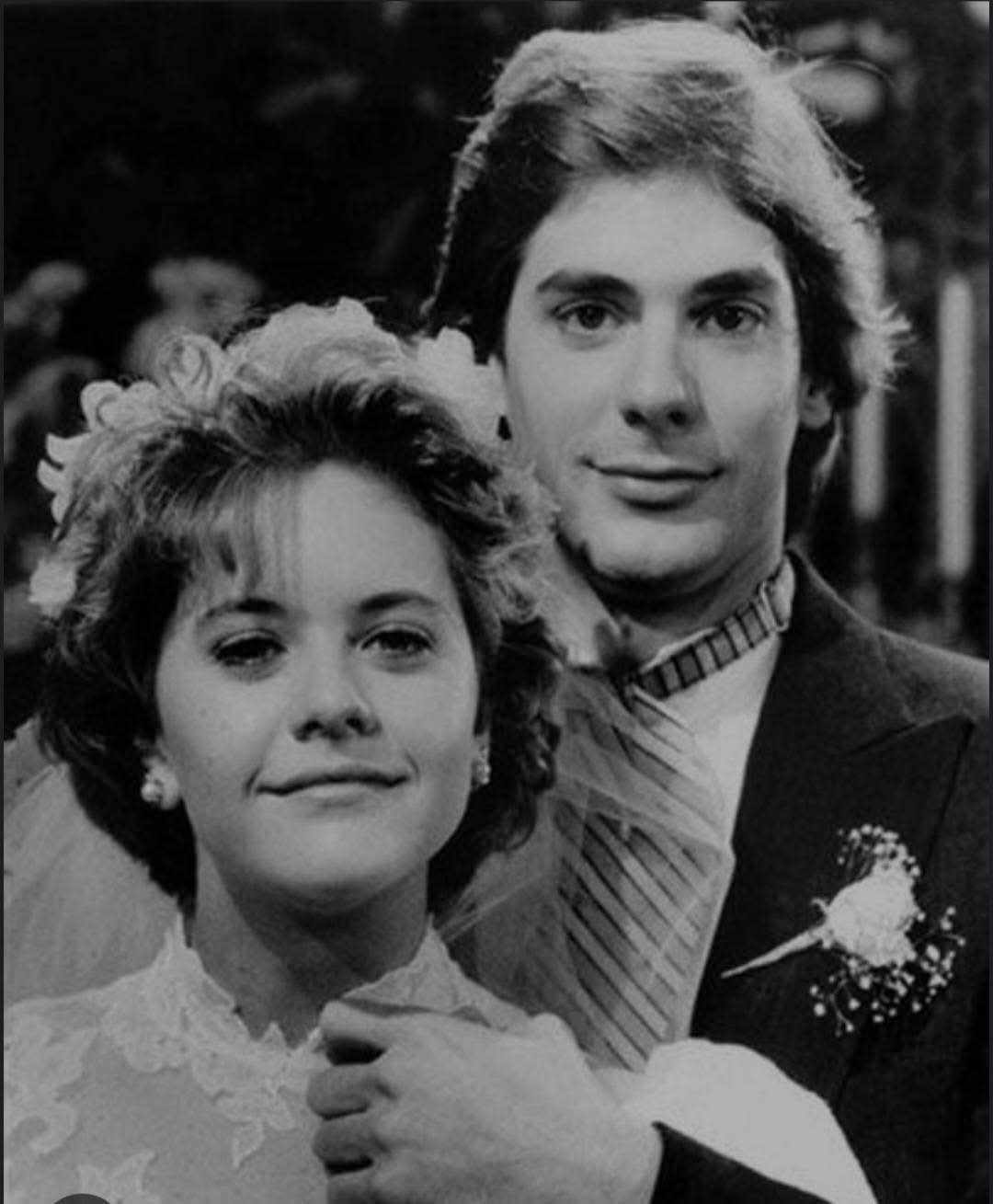
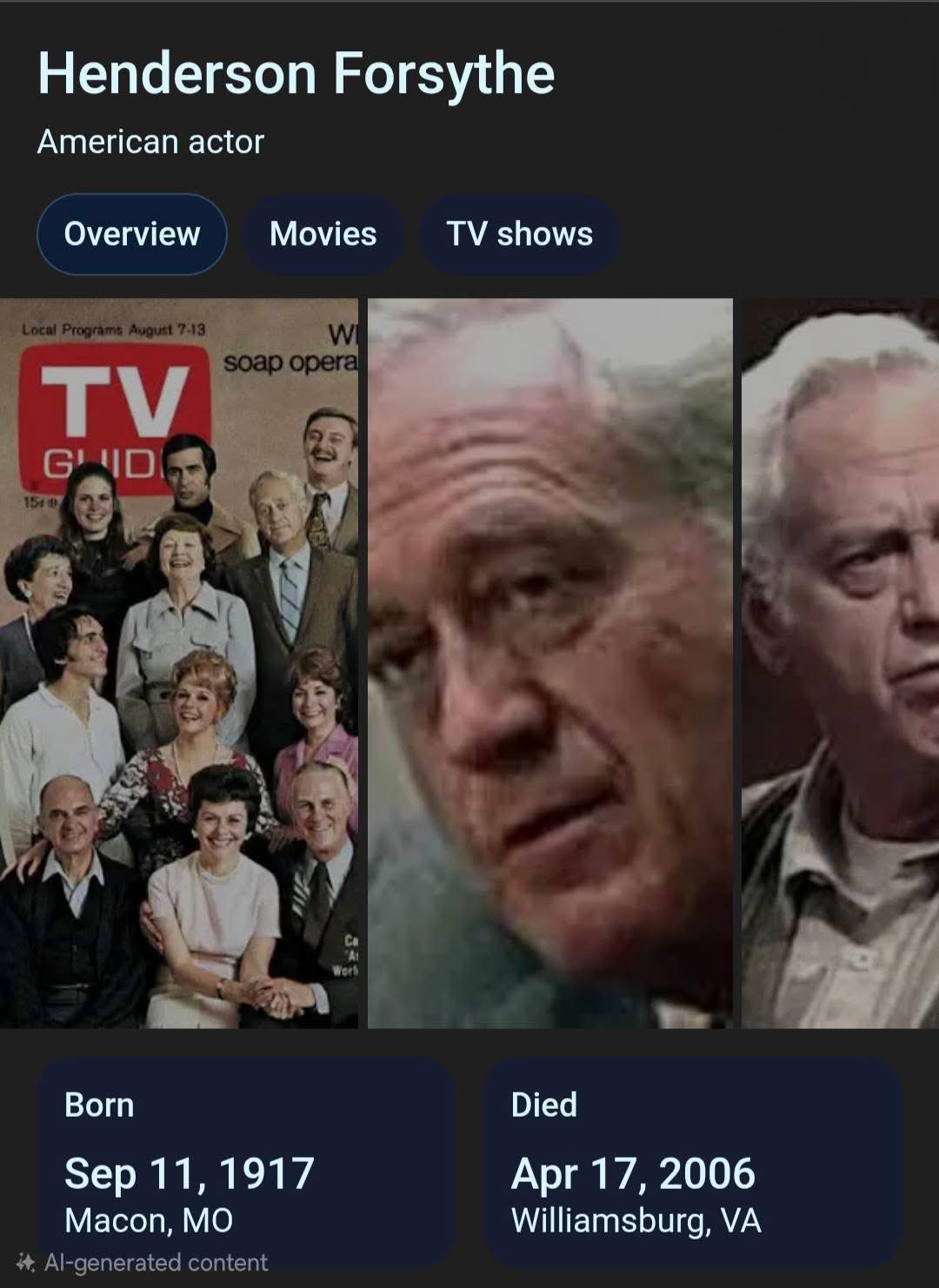
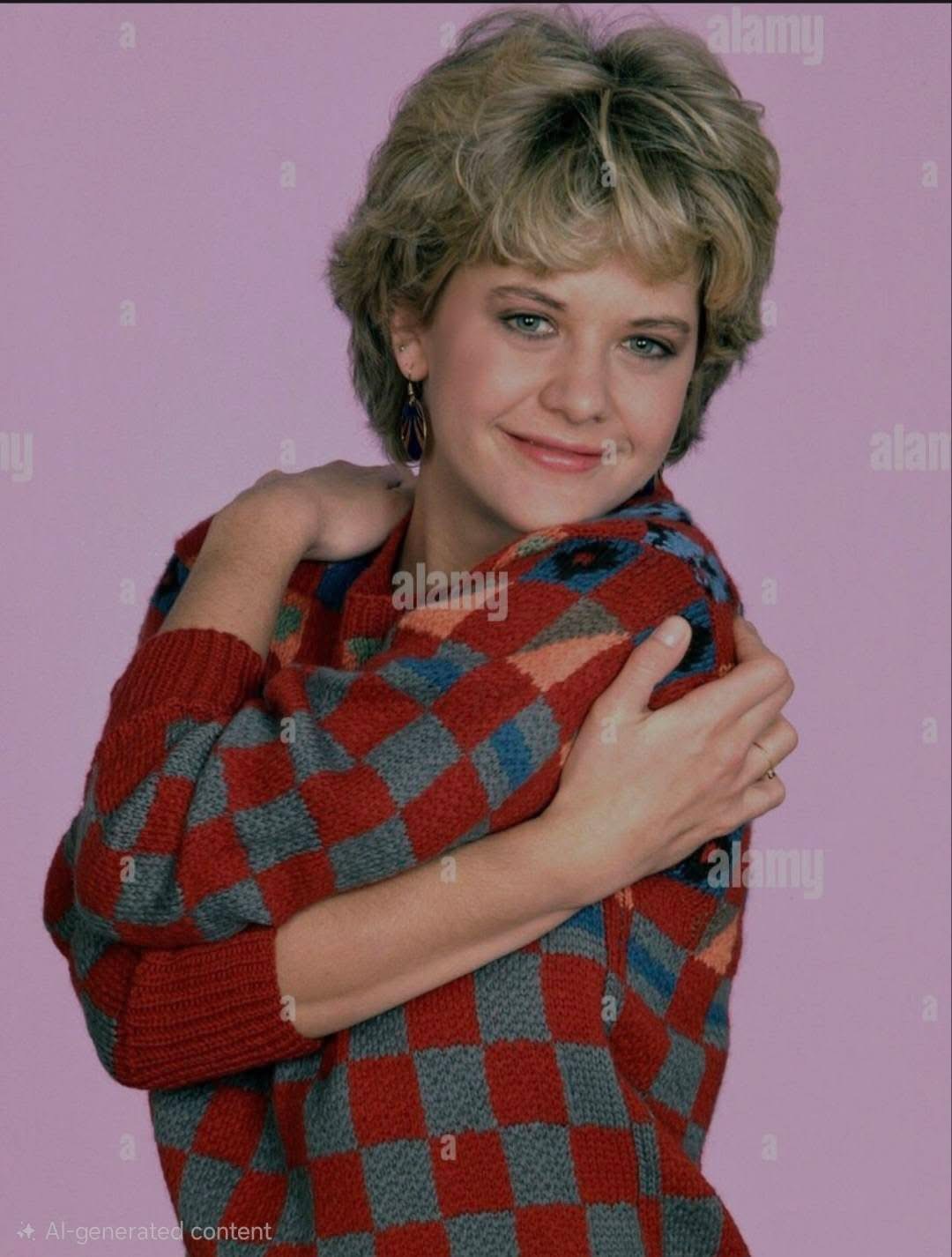
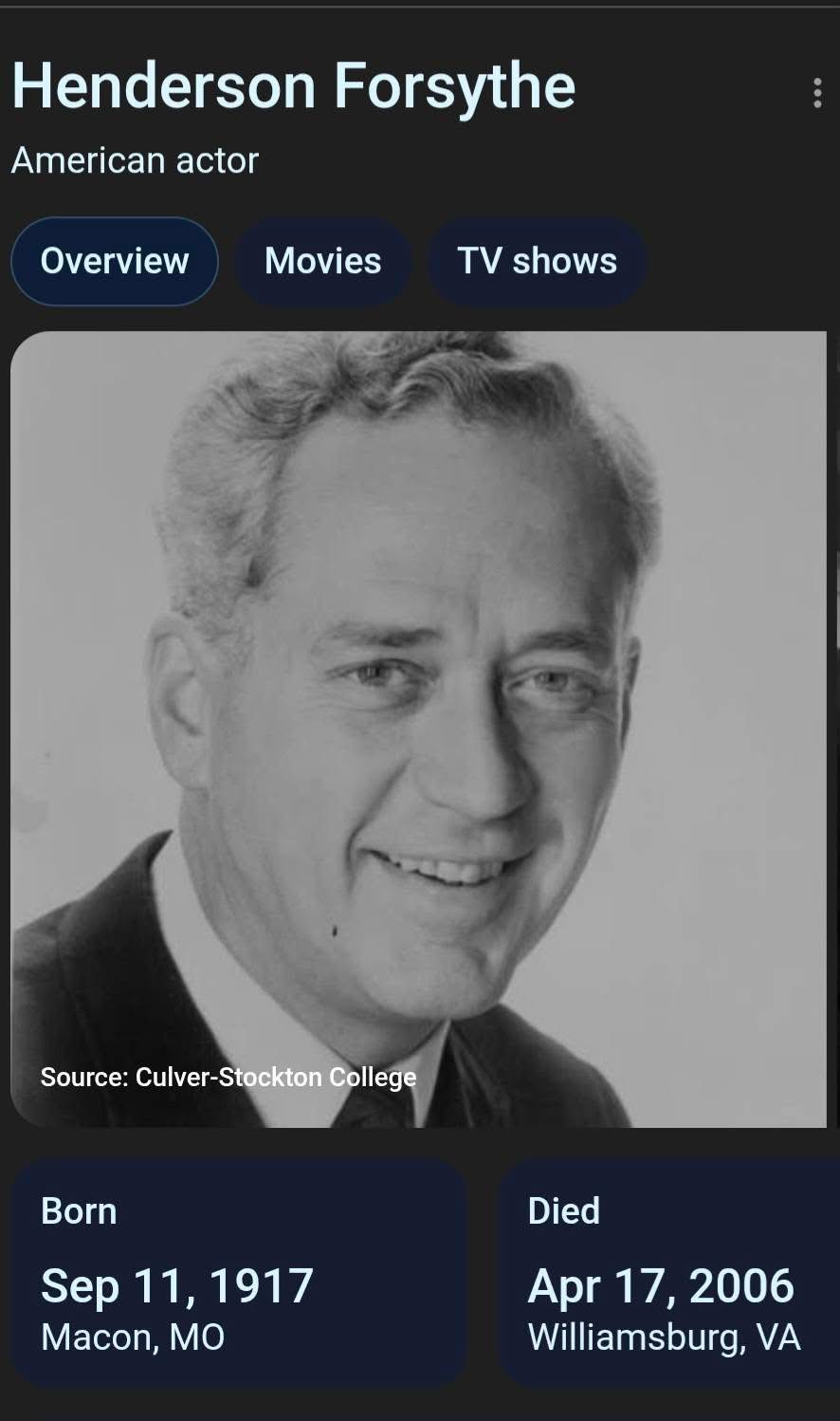
The name came from television, from the soap opera As the World Turns. Nancy Hughes’ character used to have these family picnics. Macon, Missouri, was the birthplace of the actor playing Dr. David Stewart. Betsy Stewart was the starting place for a very young, very beautiful Meg Ryan. So while we prepared the food, my mother would laugh and say she was making Nancy’s picnic by Norma.
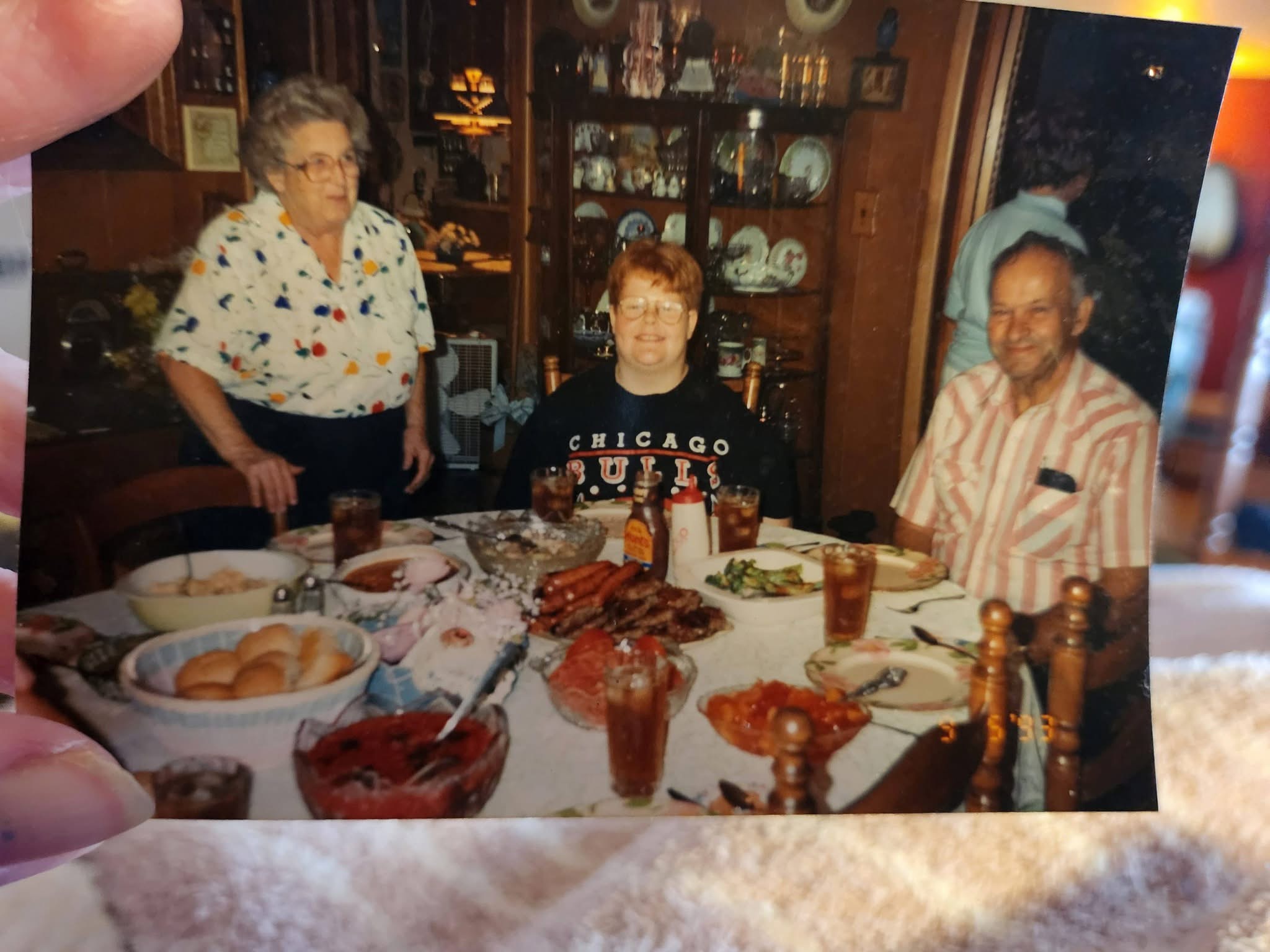
Daddy grilled hotdogs and burgers. Grandma made her potato salad with homemade mayonnaise, (to die for.) Mom’s legendary baked beans made the menu, and later my dad made homemade, vanilla ice cream outside in the blue, hand-crank freezer that still sits by my fireplace. Then the ice cream was packed in woven rag rugs that coincidentally were woven by Martha Helen‘s mother.

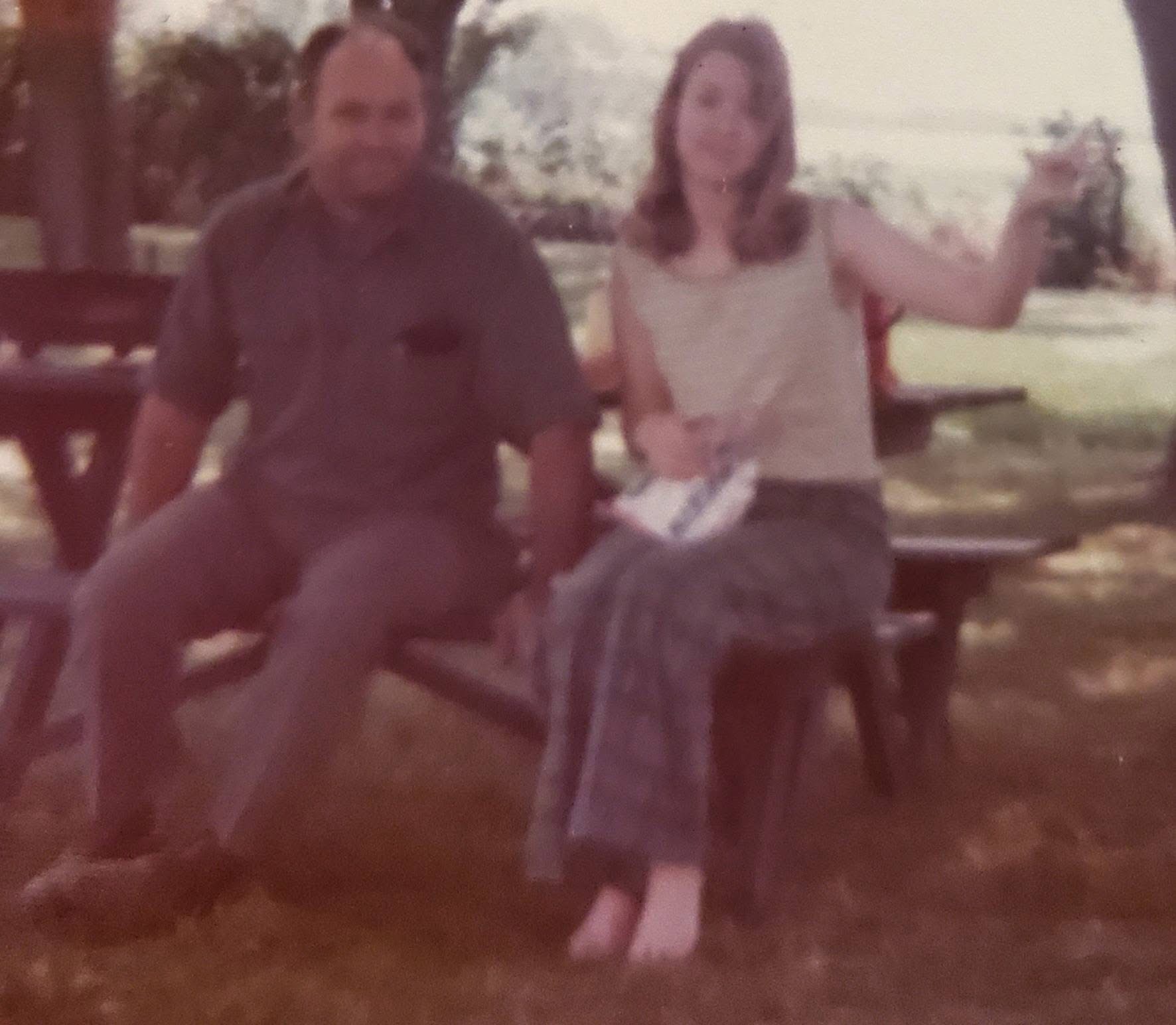
The cemetery had been mornings of wet peonies, tinfoil, flags, white crosses, the metal dishpan, the graves of the known and the almost forgotten. The afternoon was smoked from the grill, maybe a round of croquet, potato salad, family, and ice cream coming together slowly with salt and ice.

That was Memorial Day. It was not perfect. No family is. There were stories under the stories, and some of them were sad or strange or unfair. They were remarriages and lonely graves. There were children lost and old guilt carried. There were cemetery fights and people who had to stand guard so money meant for the dead was not swallowed by the living. But there was also care. And it was definitely care that took our feet down to the graves by the edge of the cemetery where our great-grandparents on my granddad’s side were buried ….because there was usually a big snake.
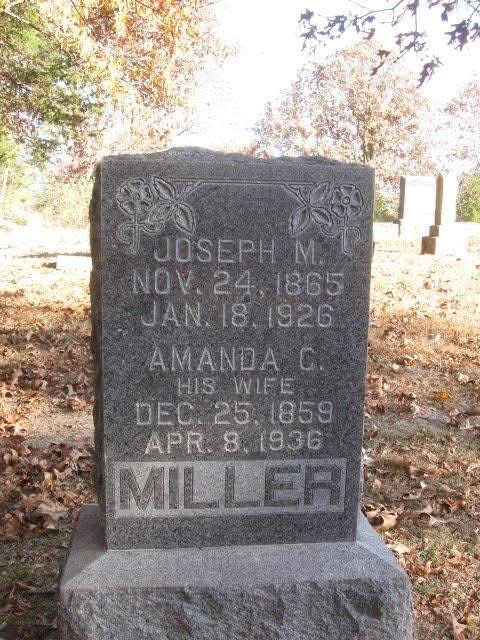
Care painted white crosses. Care put flags on the ground. Care soaked peonies and wrapped their stems, and care saved paper poppies in a drawer, and it asked a little girl to remember Frank Leslie. Care fed everybody when the cemetery work was done.
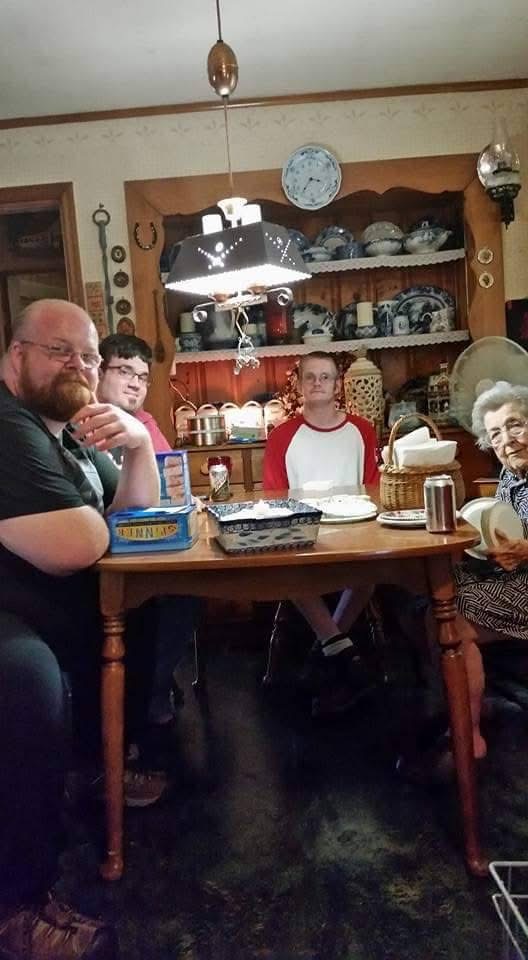
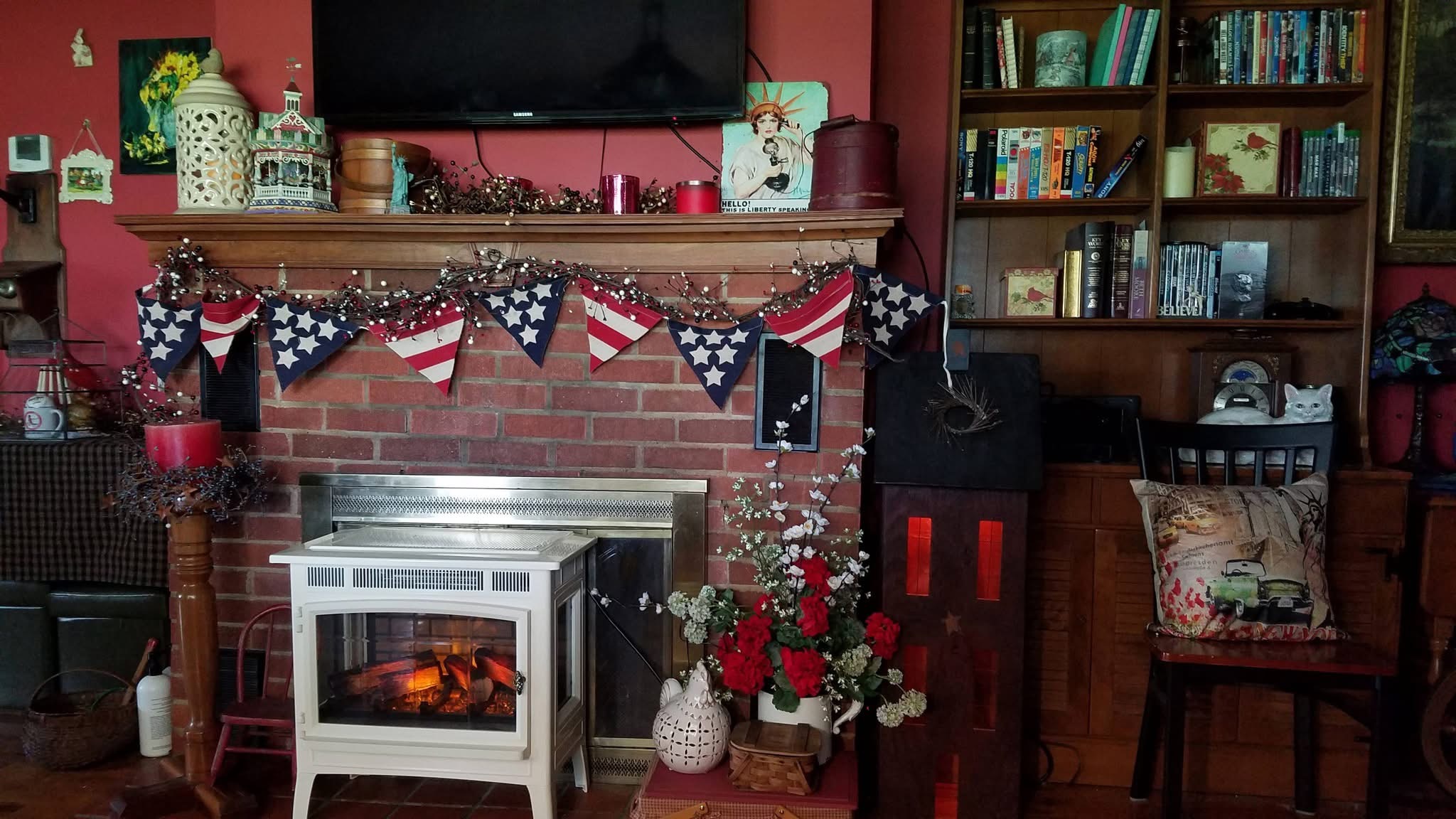
Memorial Day is definitely quieter. It is not as wonderful. The dear people who packed the picnic and cranked the freezer and knew where every grave was? They are gone. I cannot walk the cemeteries like I once did. I rely on others to put flowers where I wish I could put them myself. The blue ice cream freezer sits by the fireplace quiet, not cranking, but not gone either.
I think that’s what memory does. It stops doing the old work and starts doing a quieter kind. Poppies aren’t in Gramma‘s drawer now. Peonies are not in a metal dishpan in the trunk. Nancy’s picnic is not waiting in the back yard. But I can still see some of it, smell the barbecue, and taste the cold sweetness with homemade ice cream. I can still see my grandfather kneeling by a small stone. I can still hear grandma saying my creation was pretty— just one time, which was enough, and yet was not enough.
And I can still say we kept Memorial Day, and we still keep it. We keep it with flowers and food, duty and worry, beauty and love. We keep it the best way we know how.


Memories😘😘
ReplyDeleteYour write beautifully and I so enjoy your stories. Memorial Day brings memories, as it should…happy and not so much. Thank you for sharing. Have a nice Wednesday and take care. Virginia
ReplyDelete