
I woke up this morning thinking about May Day. Not in any grand, ceremonial way. I had no maypole waiting in the yard, no crown of flowers, no neighborhood children ready to run through the streets with fistfuls of peonies. I had a cup of lemon lime tea, a few journals waiting to become May journals, and that familiar little tug of memory that says this day can really mean a lot.
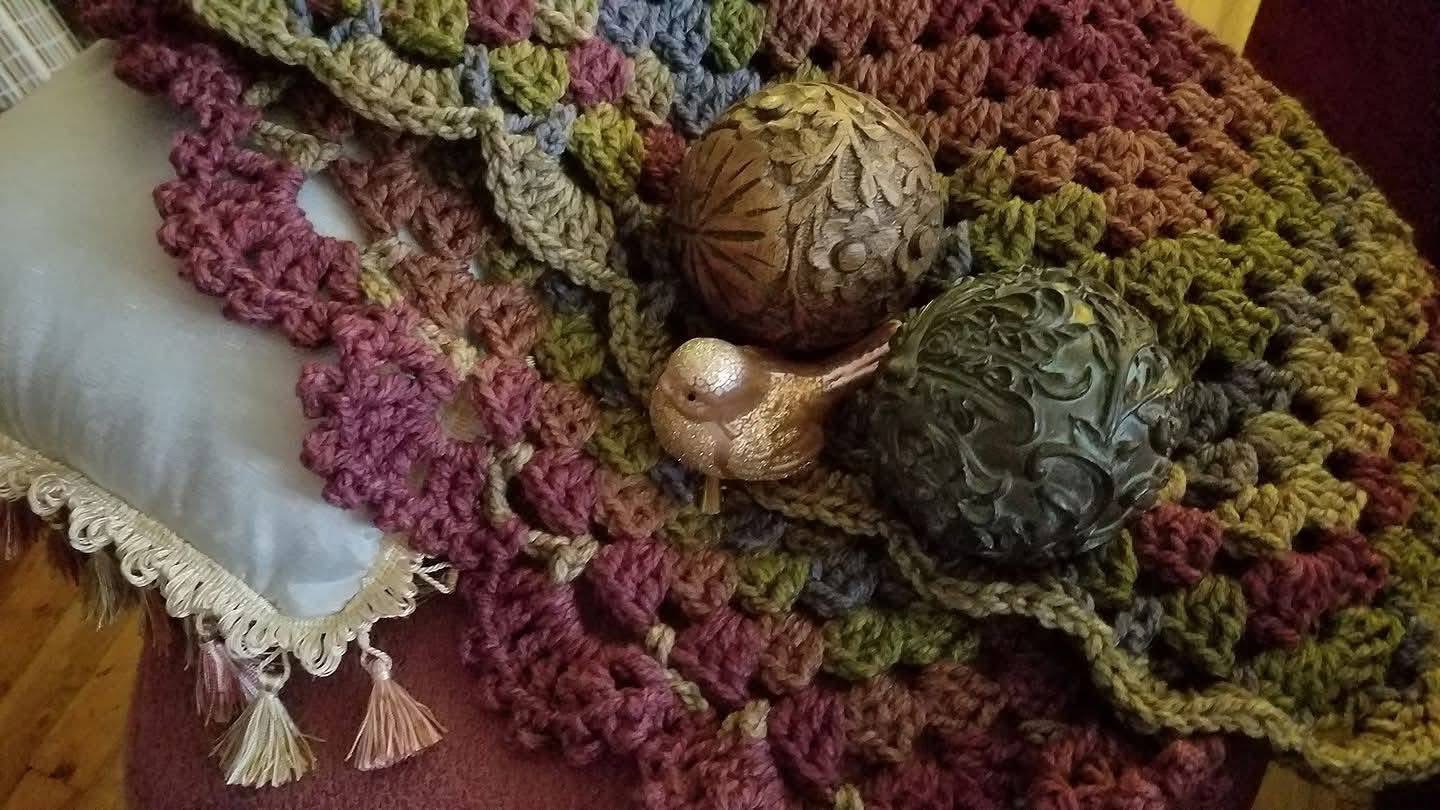
My mother used to tell about May Day as a child in Terre Haute, Indiana, in the 1920s and 1930s. Mama was born in 1924, and in her memories the children still had a certain freedom to roam. On May Day they often gathered flowers – peonies and whatever else was blooming – and wrapped them in newspaper cornucopias. They poked holes along the edges somehow, and they created handles from the carpet strips her mother had on hand in large carpet balls.
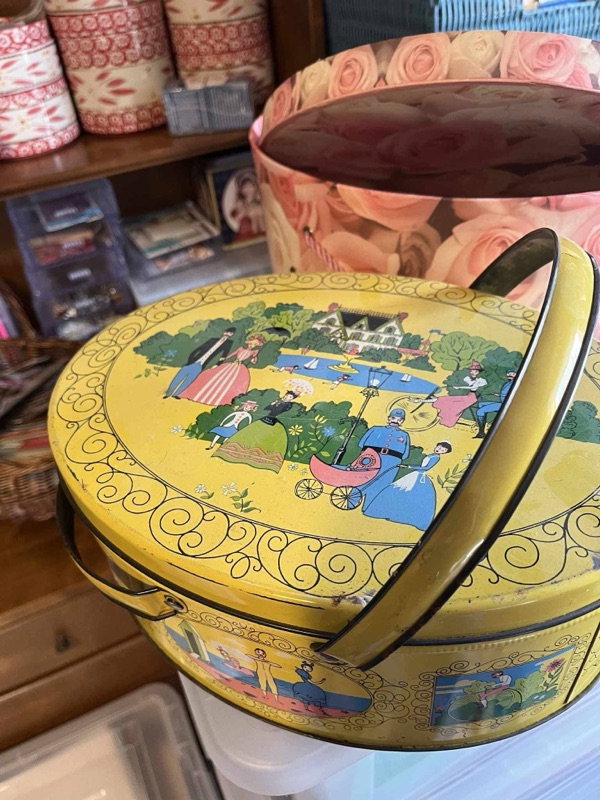
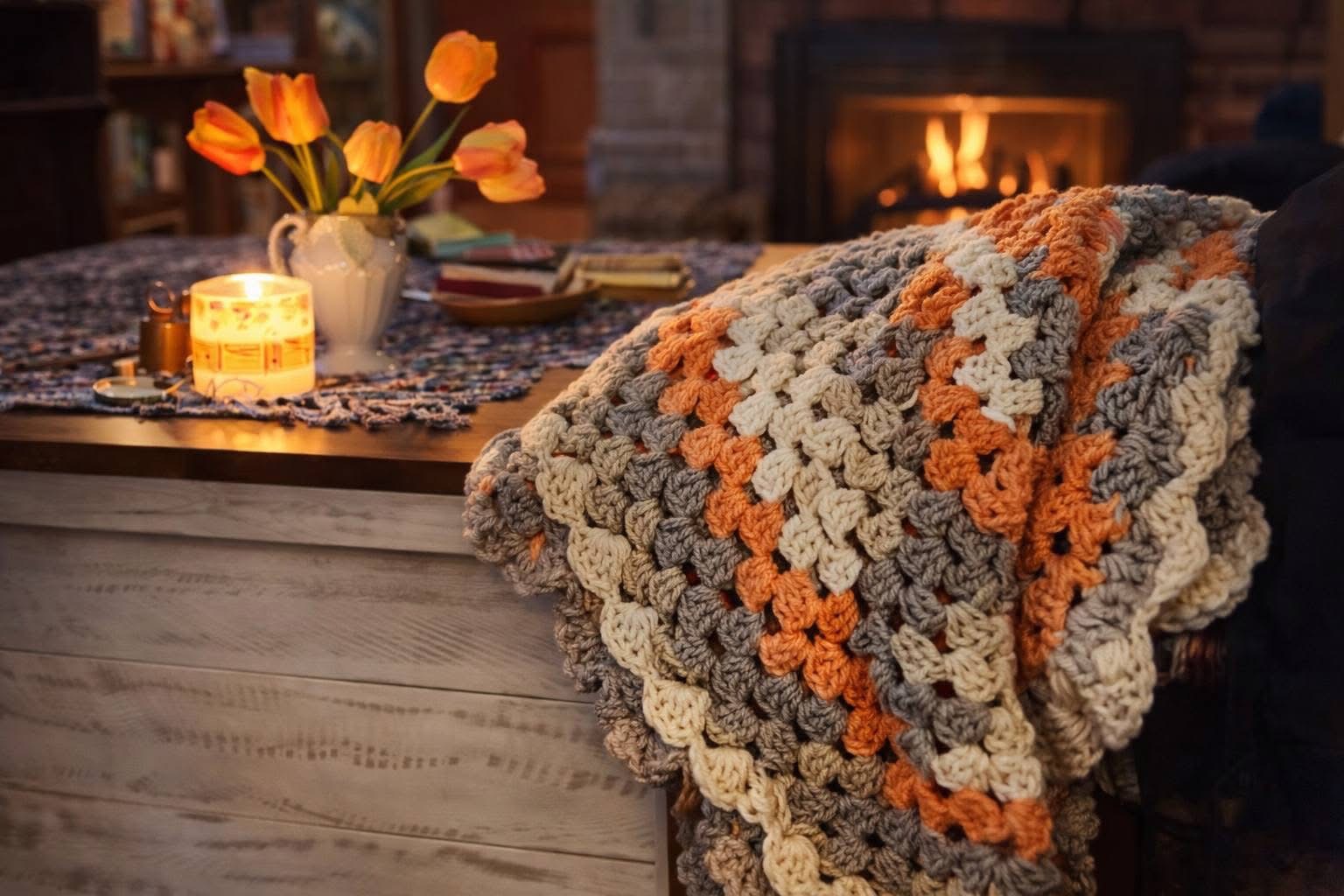
That one detail pleases me almost more than the flowers. I love to think about my grandma and her carpet balls, wornout cloth ripped into strips and saved for rag rugs. My grandmother Iona Miller’s family had a loom, and I was lucky enough, years later, to learn a little about weaving rag rugs myself. I remember the rhythm of it, the strips going through on shuttles, the pedals under foot, the wooden beater pulled back to press everything tightly. Not too tight. Not too loose. Just right. Weaving was magical, like watching something ordinary become useful and beautiful at the same time. My great grandmother Franks made rag rugs. Ma made them too. And when I was young, Mama and her mom, Minnie Herrington, sometimes took our carefully-wound carpet balls to Martha Helen Henry’s family because her mother wove rugs. Martha Helen was a teacher at Bevier and a local friend to almost everyone – a strong, capable woman, and a champion of many people. I remember the fun of taking the rags and later picking up those rolled rugs. There was such delight in it. Scraps had become pattern. Old dresses, aprons, shirts, and curtains became something you could put under your feet and live with.
And on May Day those same, humble, rag strips could become handles for these flowers. The custom my mother remembered was sweet and simple. The children chose someone – often an older person or someone who was ill – and ran to the door, hanging the little newspaper cone of flowers over the knob. Laughing, they knocked and then hid in the yard. Mama said the real joy was watching the person open the door and discover that Spring had remembered them. I think we did a little of that in Excello school also. I remember May baskets and flowers. I tried to take something to my grandparents on May day every year when I was young, and later Gerred and I carried on the tradition for my mom and dad. Just running up to the door with flowers and leaving them there was like offering secret blessings.
May Day has very old roots. In England the holiday was long associated with flowers, dancing, and the May Queen. In the older Celtic calendar, Beltane marked the bright turning of the year – halfway around the wheel from Halloween. Halloween faces the dark half of the year. May Day opens the door to light, growth, gardens, warmth, and all the hopeful green things coming on. No wonder people wanted to celebrate it.
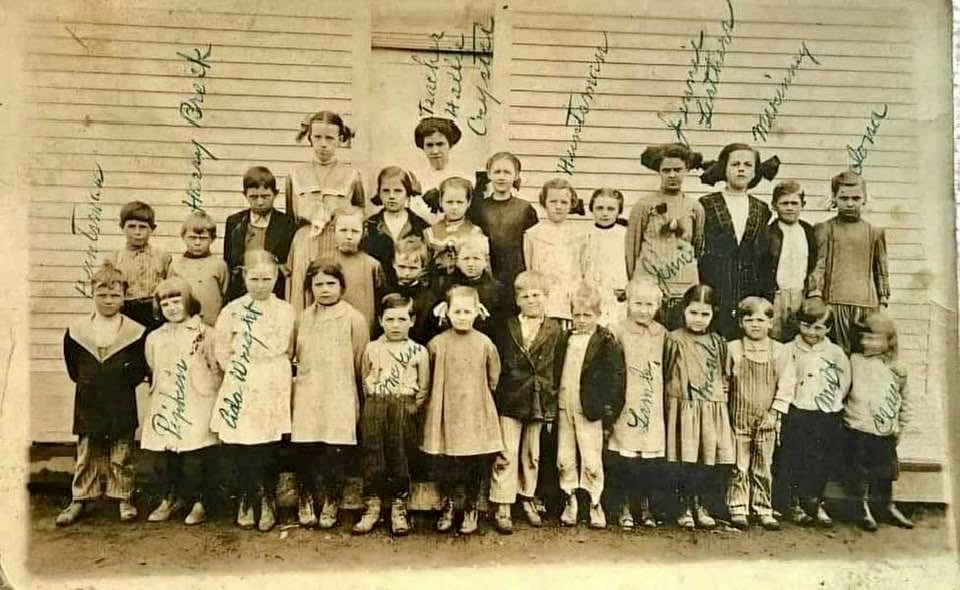
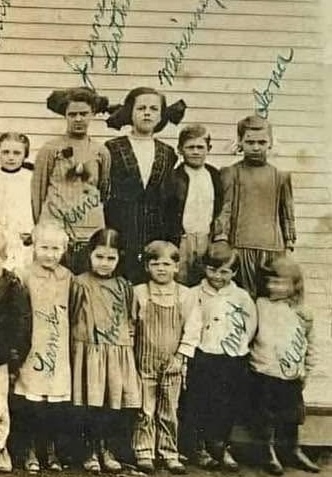
Today I also found myself looking at an old school photograph from my grandmother‘s childhood. This photo shows a little country school full of children, all different ages and grades gathered together. My grandmother Iona stands on the top row, far right. Her little sister, my dear, sweet Aunt Hazel Dudley, is there too, the fourth little child from the right. On the second row in the middle stands the teacher. She looks so young. When I look at her face, I think about what it must have taken to stand before all those children, across all those grades, teaching reading, spelling, arithmetic, geography, history, manners, recitations, and probably half of life besides. This woman has such a young, hopeful face I might never have picked her out as a teacher if someone had not written on the photograph. And thank goodness someone did write on it. We are often told not to write on old photographs, and generally that is good advice. However, sometimes the name written in a margin is the only bridge left. Without those names, so many of the children become lovely little mysteries – faces looking out at us, but untethered. Because someone took the time to label a few of them, I can still recognize family, community, and connection.
That feels like another kind of May basket. A name written down. A flower left on a door. A strip of old cloth woven into a rug. A child remembered in a school picture. A grandmother's story carried forward.
Later today I plan to read Nathaniel Hawthorne‘s “The Maypole of Merry Mount.” Hawthorne, being Hawthorne, could hardly let a maypole stand in full sunshine without casting his shadow over it. In the story, a young couple is named Lord and Lady of the May, or King and Queen of the celebration. Even in that beautiful moment they sense the sadness beneath the joy. They are young, and yet they feel they may have already been standing at the brightest moment of their lives. That is so very Hawthorne of him.

But I’m not sure Nathaniel gets the final word on May Day. Maybe May Day is not about one perfect shining moment that can never come back. Spring comes back. Light comes back. Memory comes back. And memory remains about the small bright offerings that return to us — scraps, blossoms, peonies in a newspaper, rag strip handles, children hiding in the yard, a knock at the door– an old teachers face in a school photograph. Maybe May Day is the names of our people written down before they vanish.
And sometimes, if we are lucky, we get to leave flowers at a door.


What a wonderful post. I remember making May Basket by weaving paper strips. We learned how in first grade and took our May Baskets filled with lawn violets and dandilions home to our mothers. When I was a library assistant in the 1980's taught all the preschoolers how to make a simple paper basket and sent them home with instructions to fill with flowers and hang on a neighbors door knob. None of the parents ever heard of this! If you visit Far Side of Fifty's blog, she is the queen of homemade May Baskets.
ReplyDeleteLove the school photo!